



Sea routes
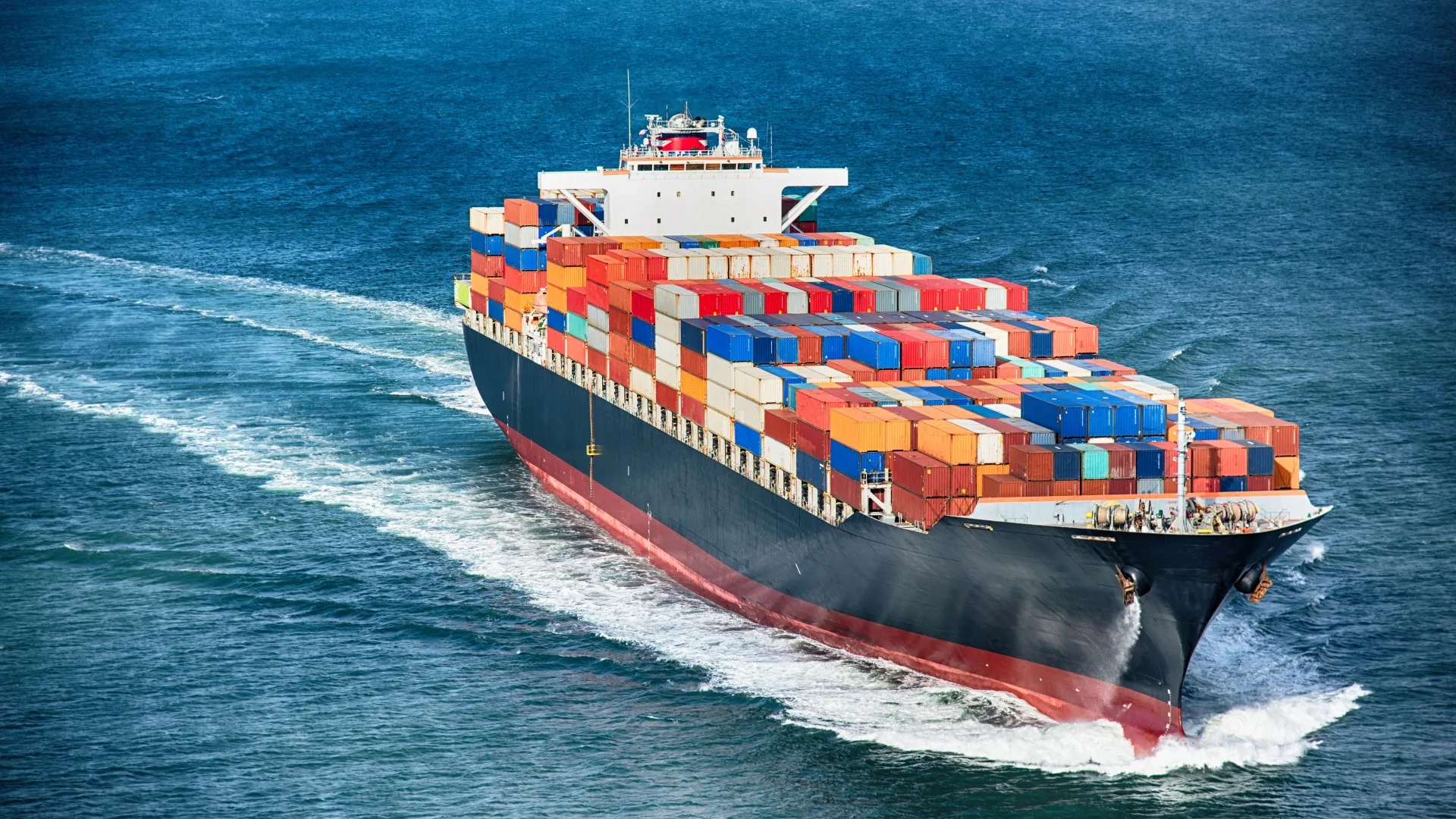
Sea routes are one of the oldest and most widespread methods of transporting goods and passengers. This mode of transport makes up a significant part of global trade and is one of the main means of international freight transport. Sea transport, especially for large volumes, heavy, and bulky goods, is the most cost-effective and efficient method of transportation. Sea transport serves various types of cargo transportation.
It covers a wide range, from raw materials to finished products. For example, oil, natural gas, agricultural products, cars, containers, and other goods are transported by sea. Sea transport is a more cost-effective choice for long distances, as it allows for the transportation of large amounts of cargo at lower costs.
The importance of sea transport for global trade is enormous. Every year, billions of tons of cargo are transported by sea, and the largest trade ports in the world are located along sea routes. As a result, sea transport has become an integral part of international trade. Sea transport remains the most cost-effective transportation method in the global economy, as it allows for the transportation of large quantities of cargo over long distances at lower costs.
Goods transported by sea are typically larger in volume compared to air and ground transport, making them more economically advantageous. However, sea transport does have certain drawbacks. It is slower, as long distances at sea and weather conditions can slow down the process. Additionally, delays or other issues may result in extra costs. Despite this, sea transport remains one of the most reliable and cost-effective transportation methods for global trade.